Main-Course Salads, Not Side Dishes
The salads worth saving are the ones that are dinner. They have a protein, a grain or a substantial cheese, and they are assembled rather than tossed.
The dressing is the part you will reuse, and it is almost always buried at the bottom of someone else's recipe.
9 recipes to start from
Each one opens as a recipe page here, with the ingredients and timings, and credits the creator who published it.
01
Strawberry Spinach Salad
andianne.com · 10 min · makes 6
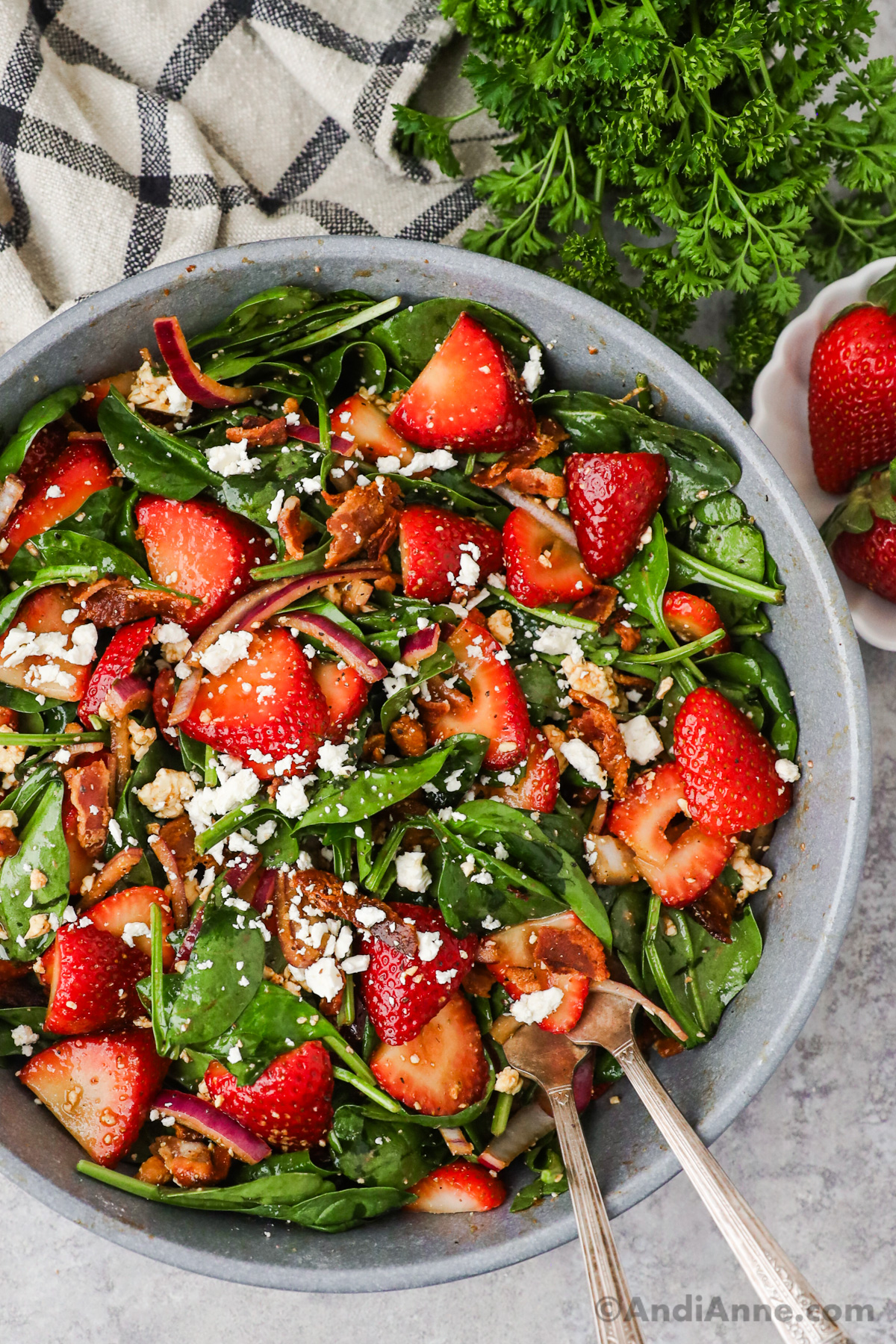
Made with baby spinach, pint strawberries and thinly sliced red onion. 10 min, makes 6, 11 ingredients.
02
Mandarin Orange Jello Salad
andianne.com · 3h 20m · makes 8
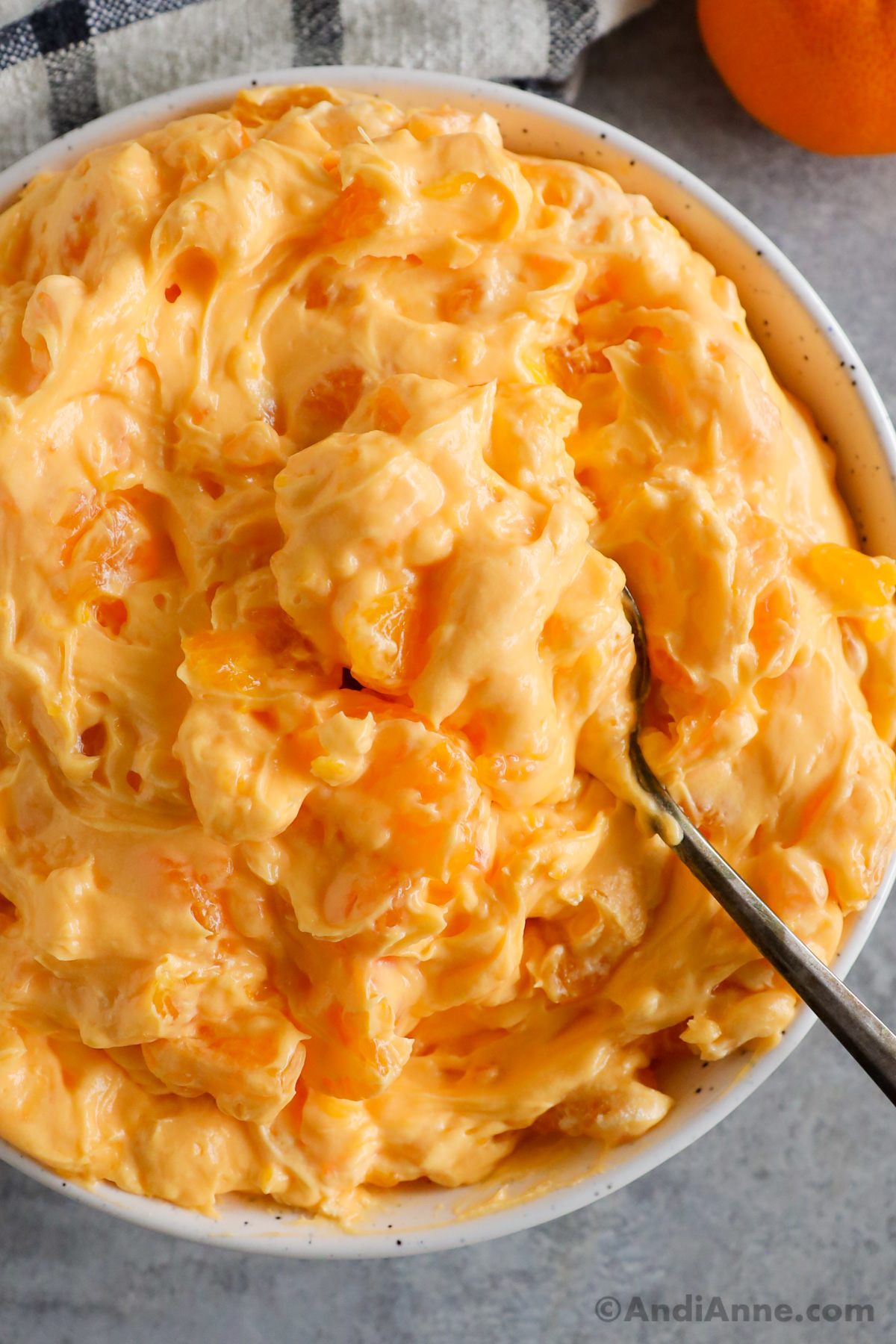
Made with orange jell-o, cook and serve vanilla pudding and cool whip. 3h 20m, makes 8, 5 ingredients.
03
Watermelon Feta Salad
caileeeats.com · 15 min · makes 6
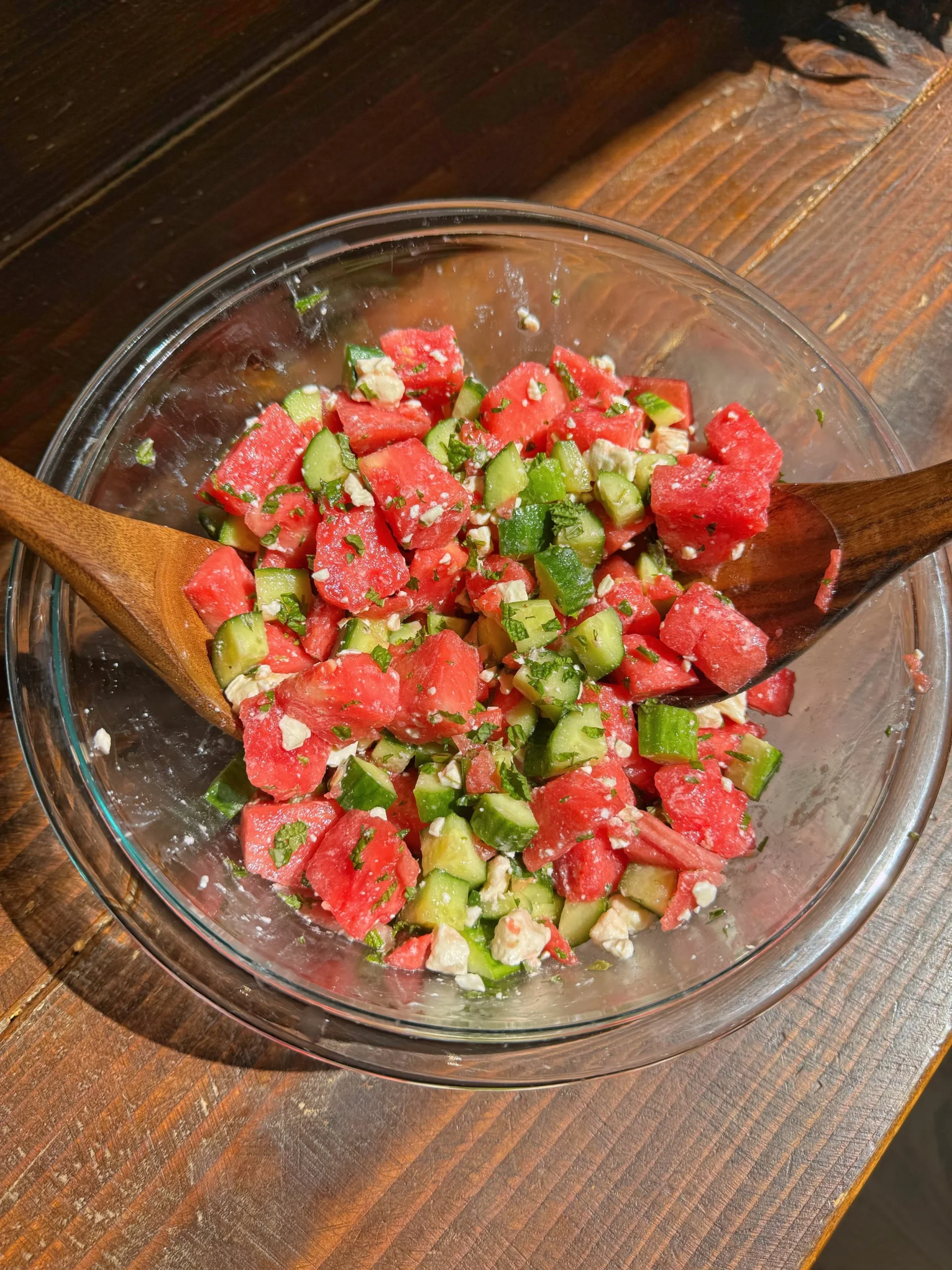
Made with mini watermelon, persian cucumbers and of mint. 15 min, makes 6, 6 ingredients.
04
Spicy Watermelon Cucumber Salad
caileeeats.com · 20 min · makes 4
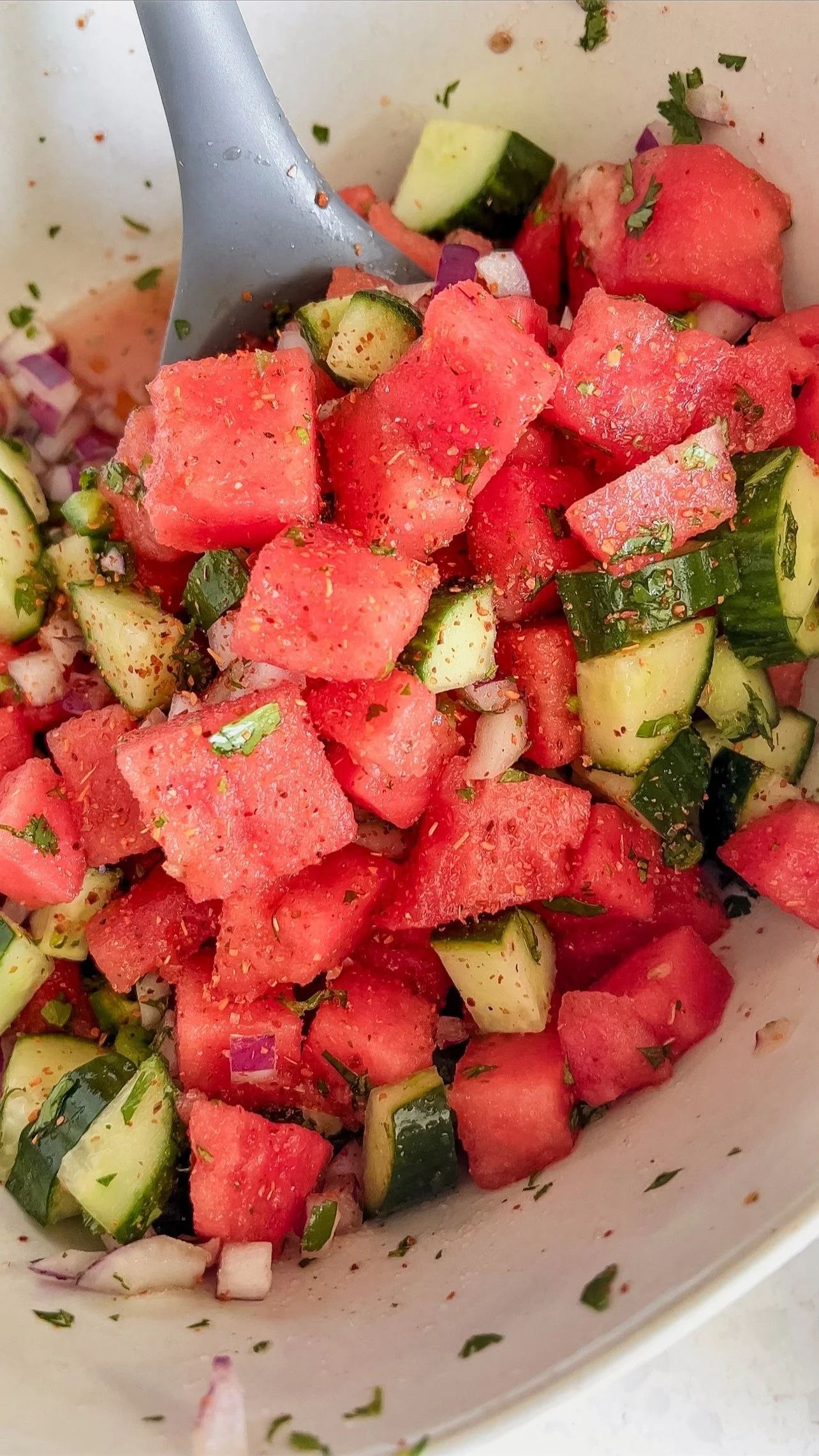
Made with watermelon, english cucumber and red onion. 20 min, makes 4, 8 ingredients.
05
Grape Salad
funmoneymom.com · 15 min · makes 10
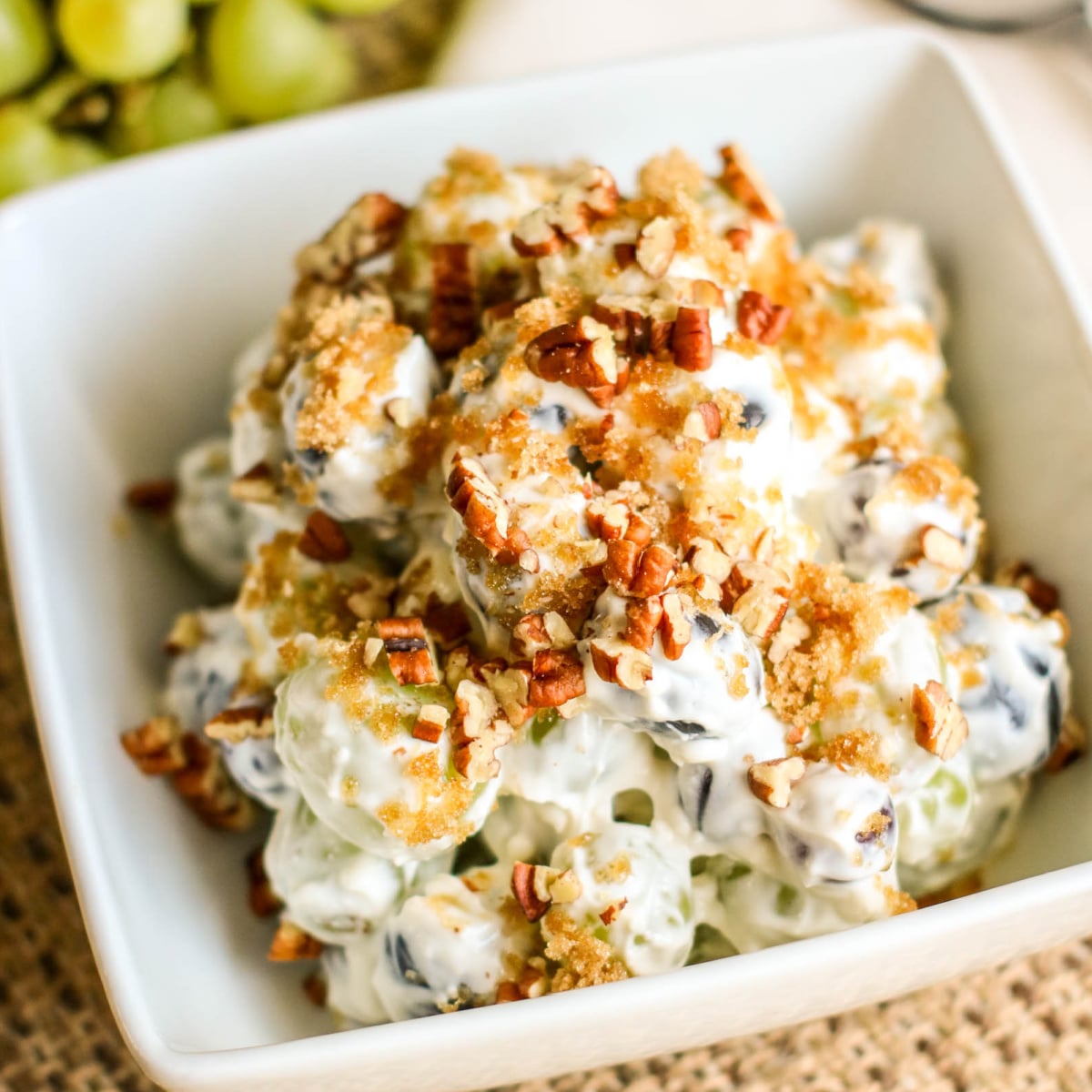
Made with cream cheese, sour cream and grapes in a variety of colors. 15 min, makes 10, 7 ingredients.
06
Easy Fruit Salad
funmoneymom.com · 10 min · makes 12
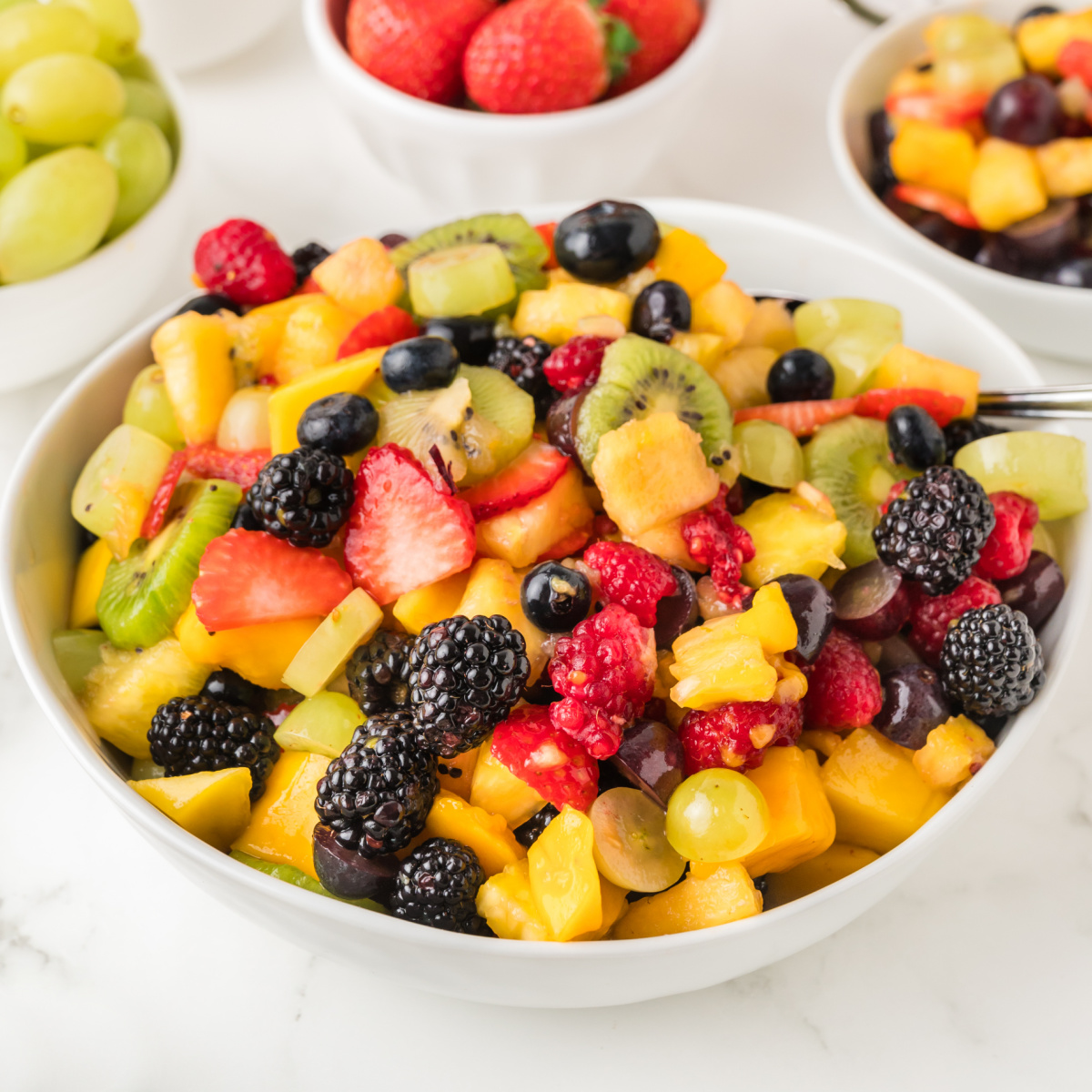
Made with maple syrup, strawberries and blueberries. 10 min, makes 12, 12 ingredients.
07
Summer watermelon berry fruit salad
lifestyleofafoodie.com · 10 min · makes 6
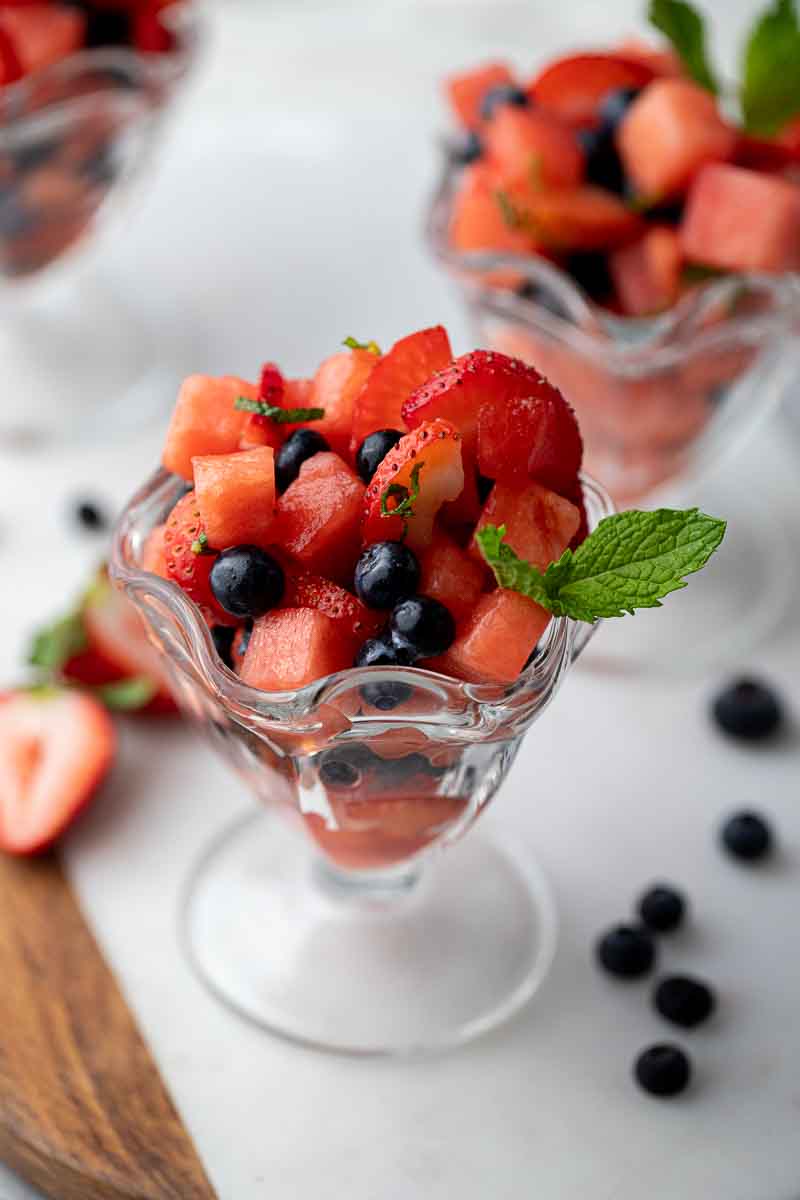
Made with watermelon, strawberries and blueberries. 10 min, makes 6, 6 ingredients.
08
Peach Goat Cheese Salad
lovelydelites.com · 10 min · makes 3

Made with mixed greens, peaches and avocado. 10 min, makes 3, 13 ingredients.
09
Watermelon Mint Feta Salad
lovelydelites.com · 15 min · makes 6

Made with watermelon, red onion and crumbled feta cheese. 15 min, makes 6, 5 ingredients.
What makes these different to organise
- The dressing is a separate recipe. Note it on its own, because it will travel to three other salads.
- Assembly timing decides texture. What gets dressed early and what gets added at the table is rarely written down.
- They are the best use of leftovers, which makes the ingredient search more useful here than the dish name.
- Most work made ahead in parts and assembled late, which is a different plan from cooking them.
How to build it
- Save the dressing separately from the salad it arrived with.
- Note what you dressed early and what you added last.
- Tag by the protein, since that is what you will have in the fridge.
- Record which components held overnight and which did not.
Frequently asked questions
How do I stop a salad going soggy?
Dress the sturdy parts early and the leaves at the last moment. That assembly order is rarely in the method and is the thing worth recording once you get it right.
Can I make a main-course salad ahead?
In components, usually yes. Grains, proteins and dressings hold well; leaves and anything crisp do not. Note which parts of yours survived.