Bread and Rolls, Organised Around Time
A bread recipe is a schedule with an ingredient list attached. The ingredients are usually four or five things; what you are actually following is a sequence of waits.
Those waits are written for the author's kitchen, not yours. Which is why your own timings are the most valuable thing on a saved bread recipe.
12 recipes to start from
Each one opens as a recipe page here, with the ingredients and timings, and credits the creator who published it.
01
Easy Banana Bread
cooking.nytimes.com · 1h 35m · 8 servings

Made with nonstick spray for greasing, mashed bananas and sour cream. 1h 35m, 8 servings, 11 ingredients.
02
Pink Sourdough Bread
countryroadssourdough.com · 6h 55m · makes 12

Made with active sourdough starter. 6h 55m, makes 12, 9 ingredients.
03
Sourdough Pita Bread
countryroadssourdough.com · 6h · makes 8
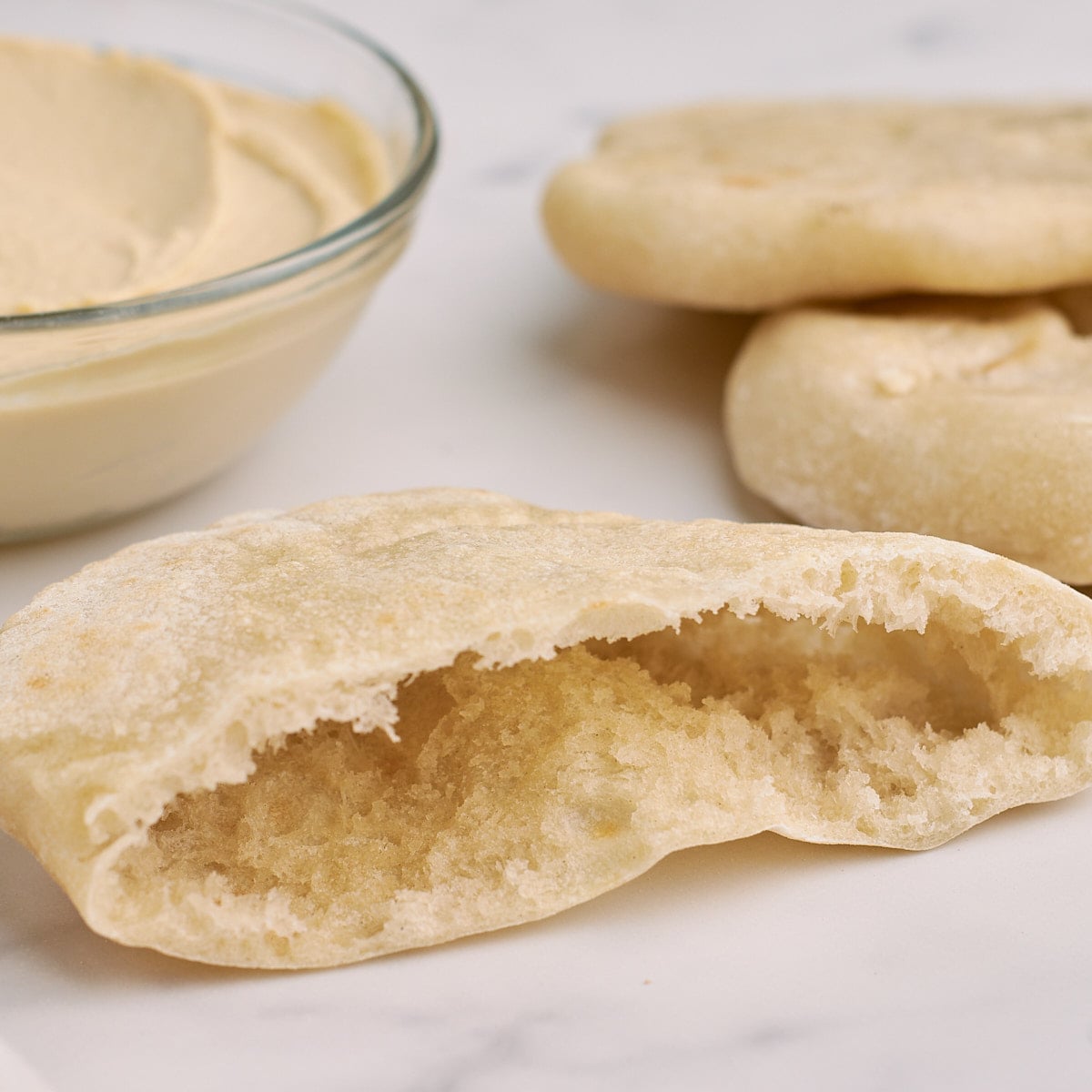
Made with active sourdough starter. 6h, makes 8, 5 ingredients.
04
Cheesecake-Stuffed Banana Bread
delish.com · 1h 25m · 6 - 8 serving(s)

Made with c butter plus more butter for pan, c buttermilk and ripe bananas mashed. 1h 25m, 6 - 8 serving(s), 10 ingredients.
05
Gluten Free Banana Bread Granola
eatwithclarity.com · 40 min · makes 12

Made with mashed banana, maple syrup and rolled oats. 40 min, makes 12, 10 ingredients.
06
Cheeseburger Egg Rolls Recipe
funmoneymom.com · 35 min · makes 6
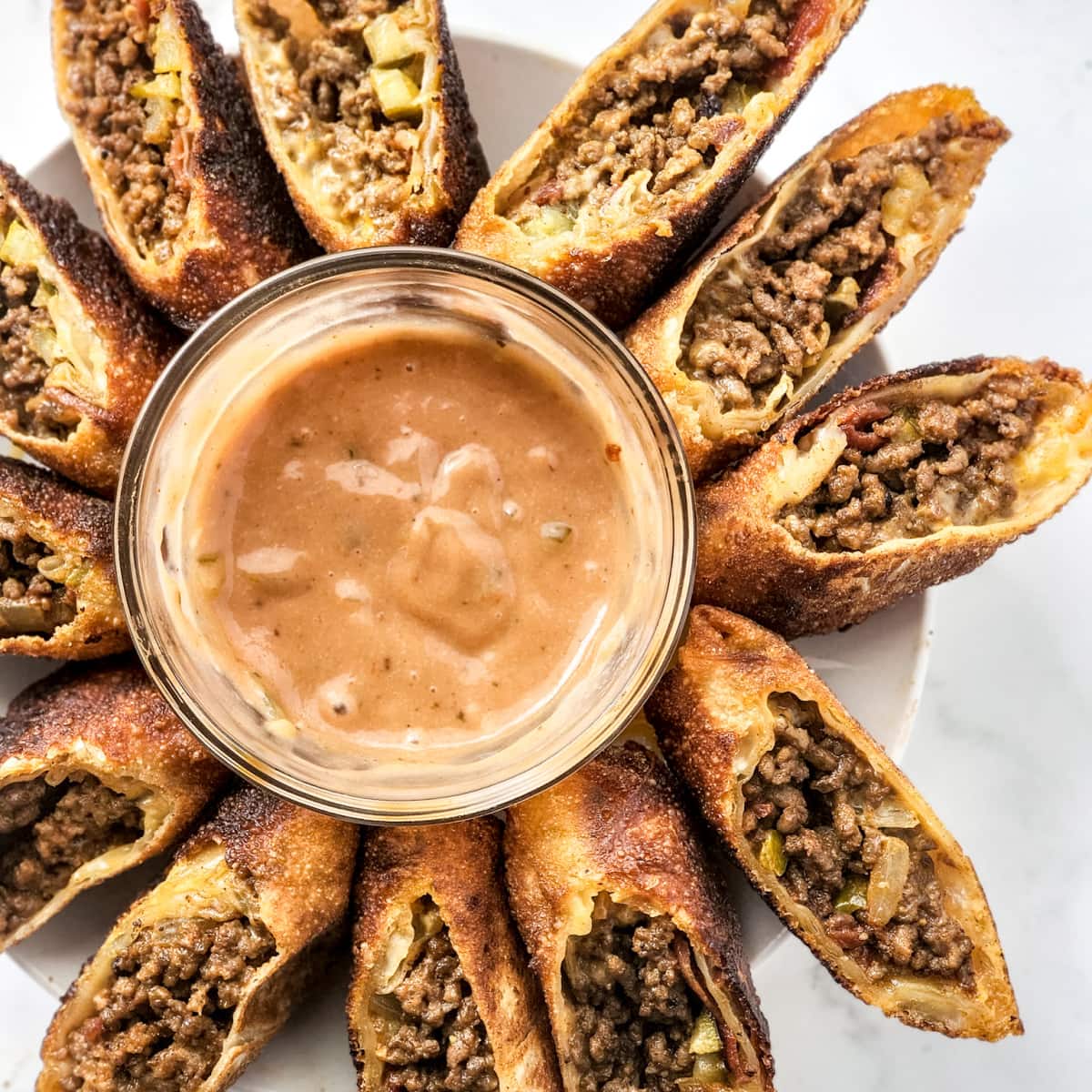
Made with ground beef, onions and bbq seasoning. 35 min, makes 6, 10 ingredients.
07
Hawaiian Roll Breakfast Sliders
funmoneymom.com · 33 min · makes 12
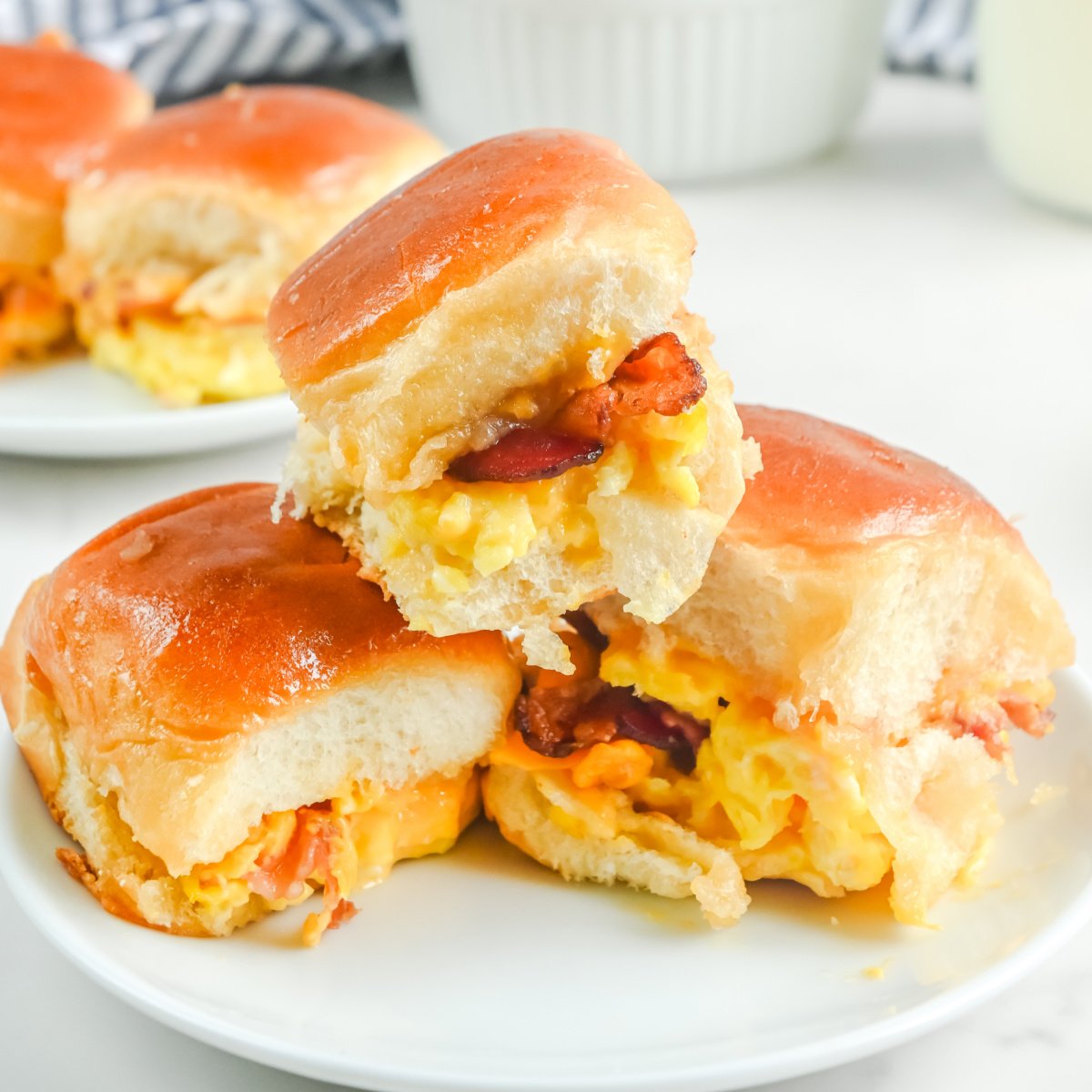
Made with hawaiian rolls, strips of bacon and american cheese. 33 min, makes 12, 6 ingredients.
08
Surf and Turf Stuffed Bread
grillnationbbq.com · 30 min · makes 4
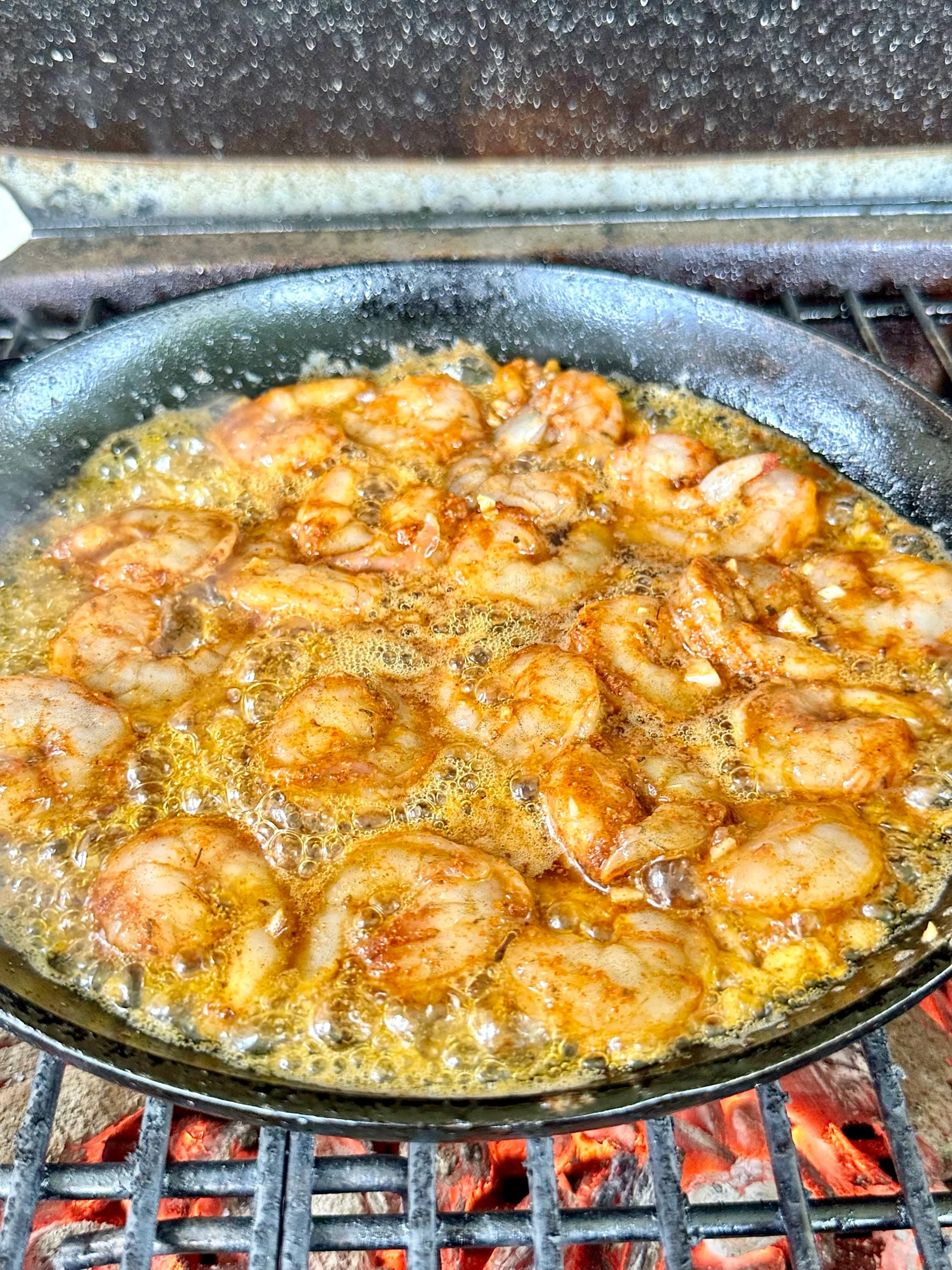
Made with outside skirt steak, raw shrimp and cajun seasoning. 30 min, makes 4, 15 ingredients.
09
Cheese Stuffed Sausage Bread
grillnationbbq.com · 40 min · makes 10
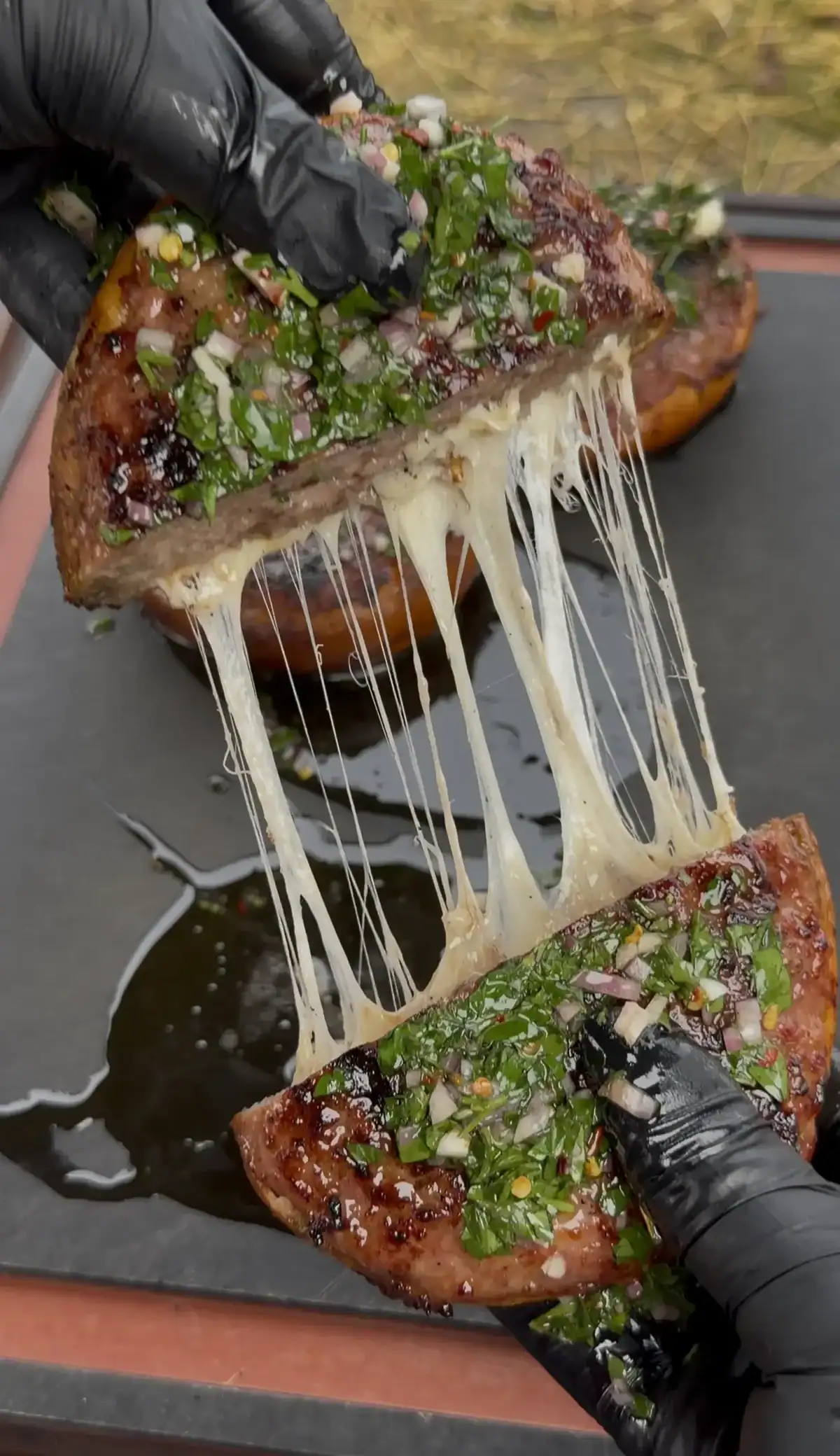
Made with italian sausage, yellow onion and garlic. 40 min, makes 10, 17 ingredients.
10
CHOCOLATE BANANA BREAD CHIA PUDDING
jenneatsgoood.com · 8h · makes 1
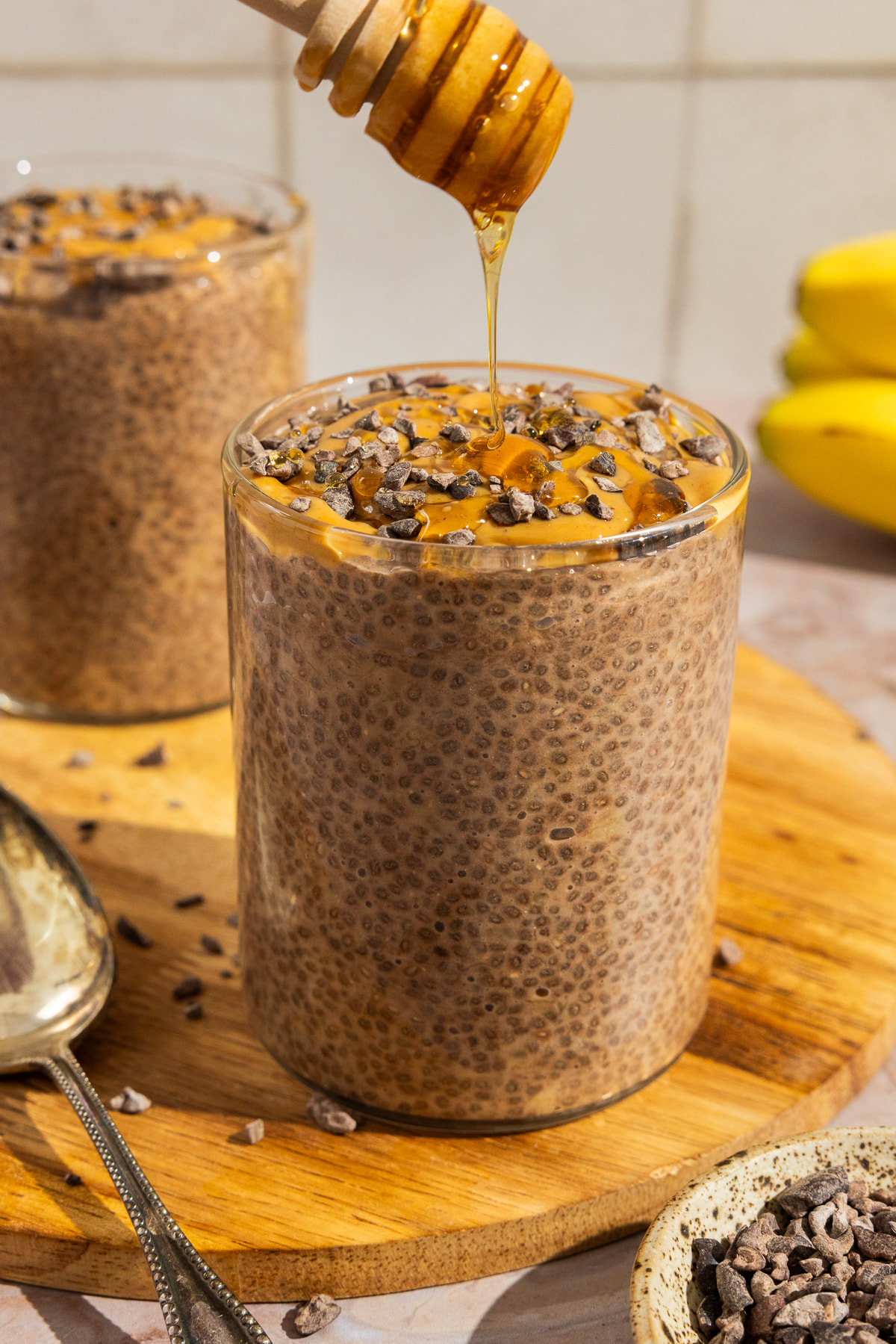
Made with ripe banana, chia seeds and cinnamon. 8h, makes 1, 8 ingredients.
11
How To Make Easy Chicken Mango Spring Rolls
lesswithlaur.com · 20 min · makes 2

Made with rice wrappers, rotisserie chicken and mango sliced. 20 min, makes 2, 8 ingredients.
12
Eggless banana bread
lifestyleofafoodie.com · 1h 10m · makes 12
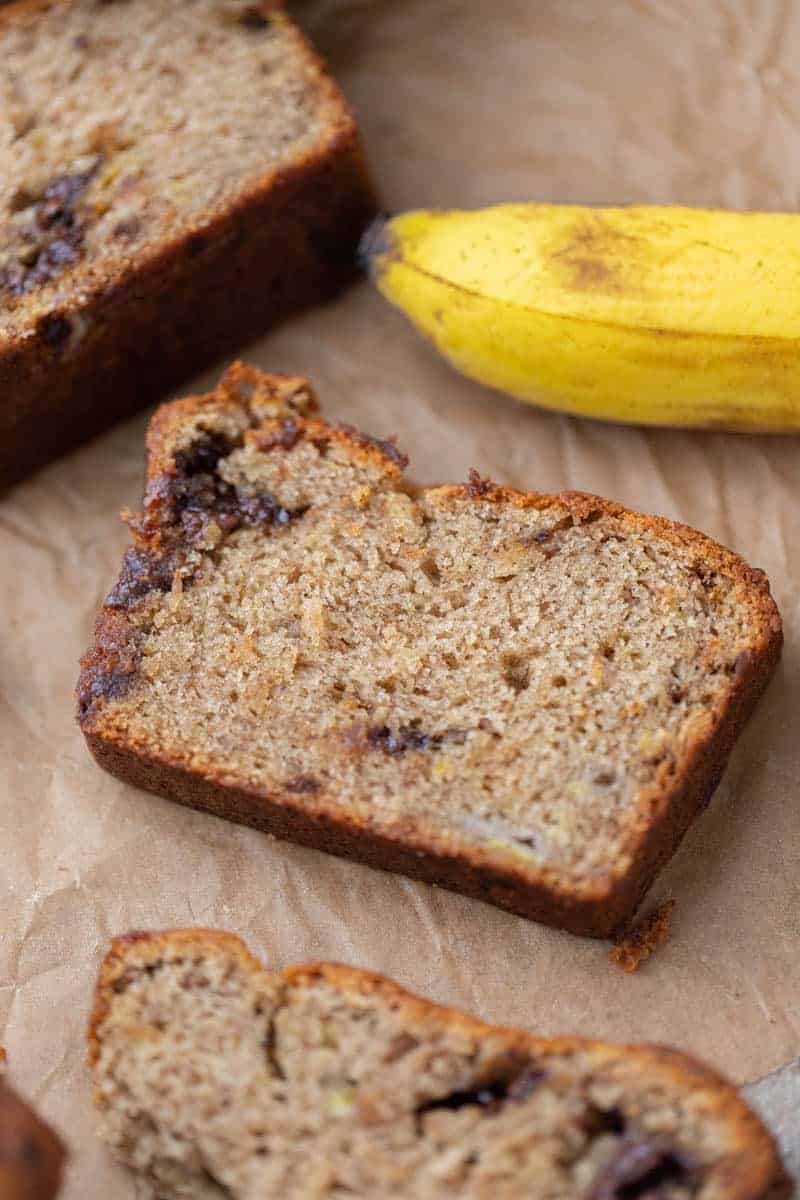
Made with cinnamon, nutmeg and ripe bananas. 1h 10m, makes 12, 12 ingredients.
What makes bread different to organise
- Time is the main ingredient. Organise by how long the whole thing takes start to finish, not by the active work.
- Proving times are driven by temperature. Record what actually happened in your kitchen and trust that over the published number.
- Weights beat volumes here more than anywhere else. A cup of flour varies enough to change the dough.
- Most of these are repeated constantly with small variations, so your version diverges from the original quickly.
How to build it
- Tag by total elapsed time, since that is what decides whether you can start today.
- Write your real proving times into the notes on the first bake.
- Bake from the grams where the recipe gives them.
- Keep a short list of the ones you make weekly, separate from the projects.
Frequently asked questions
Why do my proving times never match the recipe?
Because fermentation follows temperature, not the clock. A cool kitchen can double a rise. Record what happened in yours and use that next time.
Should I bake bread by weight or by cups?
By weight wherever the recipe gives it. Flour in particular varies enough by volume to change the hydration and therefore the dough.